
Generic video creation tools might seem like an affordable solution for real estate marketing, but they consistently fail to deliver professional results that sell homes. These platforms lack the specialized knowledge needed for property marketing, from proper room sequencing to MLS-ready descriptions.
What Makes Real Estate Video Different?
Real estate videos require specialized understanding that generic tools simply don't possess. Unlike generic content, listing videos must follow specific visual storytelling rules that guide potential buyers through a property logically. A professional listing video starts with curb appeal, flows through main living spaces, and strategically saves bedrooms for the emotional close.
Generic video platforms treat all uploaded images equally. They can't distinguish between a hero kitchen shot that should hold for 4 seconds and a utility room photo that needs just 2 seconds of screen time. This fundamental misunderstanding creates awkward pacing that confuses viewers instead of engaging them.
According to the National Association of Realtors, listings with video receive 403% more inquiries than those without. However, poorly executed videos can actually harm your marketing efforts by making properties appear unprofessional.
Why Room Sequencing Matters (And Generic Tools Don't Understand It)
Professional real estate videographers follow established patterns when showcasing properties. The sequence typically flows:
- Exterior and curb appeal (2-3 shots)
- Entry and main living areas (kitchen, living room, dining)
- Bedrooms and bathrooms (in logical order)
- Special features (home office, basement, bonus rooms)
- Outdoor spaces (backyard, deck, pool)
Generic tools randomize or alphabetically sort your photos, creating jarring transitions. Imagine a video that jumps from a powder room to the master suite, then back to the kitchen. This confusing flow makes properties feel disorganized and smaller than they actually are.
Our AI Photo Coach analyzes each room type and scores photos based on real estate-specific criteria, helping agents understand which shots work best for video before uploading.
The MLS Formatting Problem
Multiple Listing Service platforms have specific requirements for video dimensions, file sizes, and branding guidelines. Generic video tools output standard social media formats that don't meet MLS specifications.
MLS-compliant videos typically require:
- 16:9 aspect ratio (1920x1080 resolution)
- File sizes under 100MB for most platforms
- Agent branding in approved locations
- Clean, professional transitions without flashy effects
- Duration limits between 60-180 seconds
Generic platforms often export vertical videos optimized for TikTok or square formats for Instagram, forcing agents to crop or reformat content that loses impact. When you create a listing video through a real estate-specific platform, these technical requirements are automatically handled.
Missing Photo Quality Assessment
One critical failure of generic tools is their inability to evaluate photo quality before video creation. Professional listing videos require properly exposed, well-composed images with consistent lighting.
Common photo issues that ruin listing videos:
- Overexposed windows creating harsh white spots
- Dark, underexposed rooms that look uninviting
- Tilted horizon lines in exterior shots
- Cluttered rooms that distract from the space
- Poor staging that makes rooms feel smaller
Generic tools accept any uploaded image and create videos with these flaws intact. The result is a professional-looking video template wrapped around amateur photography, which actually highlights the poor image quality.
Real estate-focused platforms include photo coaching features that identify these issues upfront. Agents can reshoot problematic photos before video creation, ensuring the final product enhances rather than exposes photography weaknesses.
Why AI Camera Movements Matter
Generic video platforms use standard pan and zoom effects designed for general content. Real estate videos require specific camera movements that simulate walking through a property.
Effective real estate video movements include:
- Slow push-ins on hero shots (kitchen islands, fireplaces)
- Gentle pans that reveal room dimensions
- Strategic zooms highlighting key features
- Smooth transitions between connecting spaces
These movements should feel natural and purposeful, guiding viewers' attention to selling points while maintaining the illusion of a physical walkthrough. Generic tools apply random effects that can make viewers dizzy or distract from the property features.
The Marketing Materials Gap
Successful listing marketing extends far beyond just video creation. Agents need coordinated marketing materials that maintain consistent branding across all channels.
Essential listing marketing materials include:
- Just Listed announcement graphics
- Open House flyers with property details
- Yard signs with QR codes linking to videos
- Property feature sheets for showings
- Social media templates for multiple platforms
Generic video tools only create the video file. Agents must then scramble to find designers or attempt DIY graphics that rarely match their video's professional quality. This inconsistent branding weakens the overall marketing impact.
The Marketing Design Studio approach integrates video creation with all supporting materials, ensuring your entire marketing campaign maintains professional consistency.
AI Description Writing That Actually Understands Properties
MLS descriptions require specific language patterns and feature callouts that generic AI simply doesn't understand. Real estate descriptions must highlight key selling points while maintaining professional terminology that buyers and other agents expect.
Effective MLS descriptions include:
- Room dimensions and counts
- Key feature highlights (updated kitchen, master suite, etc.)
- Neighborhood and school information
- Property condition and recent updates
- Emotional language that helps buyers envision living there
Generic AI tools generate bland, generic descriptions because they can't analyze photos to identify specific property features. They might describe a kitchen as "spacious" without recognizing granite countertops, stainless appliances, or custom cabinetry visible in the images.
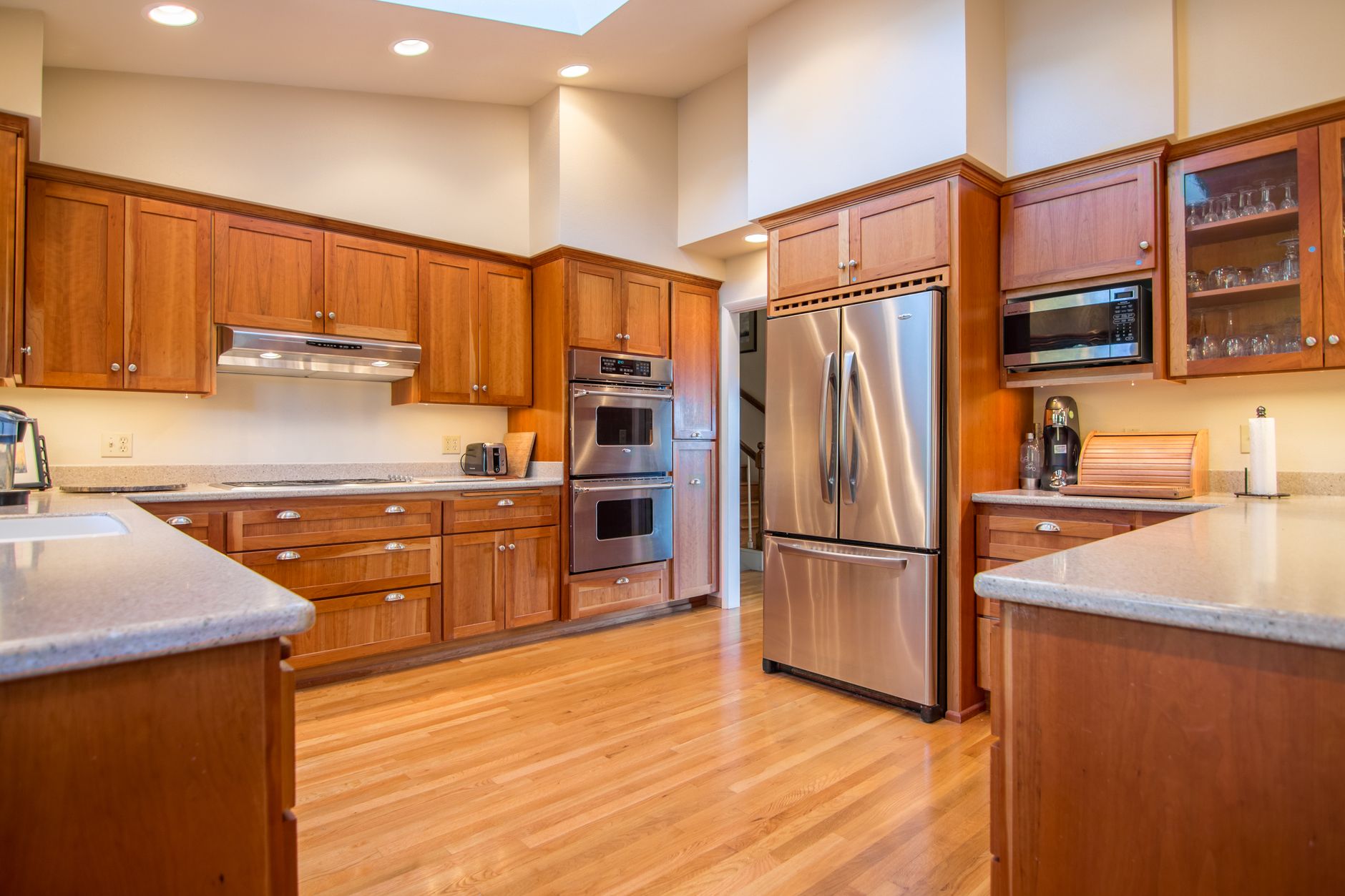
Photo by Clay Elliot on Pexels
Real estate-specific AI Description Writer tools analyze uploaded photos to identify these features automatically, generating accurate, compelling descriptions that agents can use immediately or customize further.
Virtual Staging: Fantasy vs. Reality
Virtual staging can transform empty properties into inviting homes, but generic AI staging tools often create unrealistic fantasy rooms that mislead buyers.
Problems with generic virtual staging:
- Furniture that doesn't match room proportions
- Fantasy architectural elements (fake fireplaces, non-existent windows)
- Inconsistent lighting that looks obviously artificial
- Furniture styles that don't match the home's architecture
- Staging that hides rather than highlights room features
Professional Virtual Staging preserves actual room architecture while adding appropriate furnishings. Walls, windows, and flooring remain unchanged, ensuring buyers see the real space enhanced rather than a fantasy version that creates disappointment during showings.

Photo by Curtis Adams on Pexels
The Hidden Cost of Cheap Generic Tools
While generic video tools advertise low prices, the hidden costs add up quickly:
- Time spent fixing formatting issues for MLS compliance
- Additional software purchases for creating marketing materials
- Photographer callback costs when videos reveal photo quality issues
- Lost leads from unprofessional-looking content
- Reputation damage from inconsistent branding
Professional listing videos should enhance your brand, not undermine it. Poor-quality videos signal to potential clients that you cut corners on marketing, making them question what other aspects of representation might be compromised.
When you browse our pricing for purpose-built real estate video services, the value includes professional quality, MLS compliance, and brand protection that generic tools can't match.
What Purpose-Built Real Estate Platforms Include
Real estate-specific marketing platforms understand the complete listing process from initial photography through closing. They integrate multiple tools agents actually need rather than forcing you to cobble together solutions from different providers.
Comprehensive real estate marketing platforms typically include:
- Photo quality assessment and coaching
- MLS-compliant video creation with proper room sequencing
- Branded marketing materials (flyers, signs, graphics)
- Property description generation from photo analysis
- Virtual staging that preserves actual architecture
- Quick turnaround times that match listing deadlines
- Agent-specific branding across all materials
The P2V Lens approach combines all these tools in a single platform designed specifically for listing marketing. Instead of managing multiple subscriptions and trying to maintain brand consistency across different tools, agents get everything needed for professional property marketing.
Our free photography guide explains the photo requirements that make these tools most effective, helping agents capture the right images from the start.
Key Takeaways
- Generic video tools can't sequence rooms logically, treating utility rooms the same as hero kitchen shots
- MLS compliance requires specific formatting that generic platforms don't understand
- Photo quality assessment before video creation prevents expensive reshoots and poor final products
- Real estate-specific AI movements create natural walkthroughs rather than distracting effects
- Integrated marketing materials maintain brand consistency across all listing promotion
- Purpose-built platforms save money by eliminating multiple subscriptions and fixing formatting issues
Frequently Asked Questions
Can generic video tools create MLS-compliant listing videos?
Most generic video platforms output social media formats that don't meet MLS technical requirements for aspect ratio, file size, or branding guidelines. Agents typically need additional software to reformat videos for MLS submission.
Why does room sequencing matter in real estate videos?
Proper room sequencing guides potential buyers through properties logically, starting with curb appeal and flowing through main living areas before bedrooms. Random sequencing makes properties feel disorganized and confusing.
What's the difference between generic and real estate virtual staging?
Generic AI staging often adds fantasy elements like fake architectural features, while real estate-specific staging preserves actual room architecture and adds appropriate furnishings that match the property's style and proportions.
How do photo quality issues affect listing videos?
Poor photography becomes more obvious in video format, where viewers see each image for several seconds. Issues like overexposure, poor staging, or tilted shots that might be overlooked in photo galleries become distracting in videos.
Are purpose-built real estate tools worth the extra cost?
When factoring in time spent reformatting generic tool outputs, purchasing additional marketing materials, and potential lost leads from unprofessional content, purpose-built platforms typically provide better value and results for serious real estate professionals.
One Listing. Endless Content.
Turn listing photos into cinematic videos, branded social clips, flyers, property pages, reports, and more.
Create My Listing Video